
Private Android tester route
Vita Classic
Vita Classic is a fast lane-battle strategy game with a fair-play roster, readable mobile combat, and a real first-offer runway: win battles, bank war-chest gold, rehearse one cosmetic ladder, prove that players return to it, then turn that evidence into a starter bundle.
This site is the official info surface for the native Android build. The playable web build now lives at /vita-classic/play/ while this page keeps the roster, the economy, and the tester route visible.

- Current install route
- Google Play tester access for package
com.kupelekanatu.vitaclassic. - What testers are shaping
- Battle readability, session retention, and whether an owned starter becomes return-proofed enough to justify the current +1 opening elixir payoff.
- First paid path
- The local build now routes battle rewards into a war chest, a 300-gold cosmetic preview claim, a starter-bundle unlock after three claims on one ladder, and a stricter packet-ready gate only after owned return proof joins the pricing signal.
- Current proof gate
- Preview claims only make a ladder Pricing-ready. The page now keeps Return-ready and full Packet-ready as separate proof states.
- Support surfaces
- Support Terms Data deletion
Character work
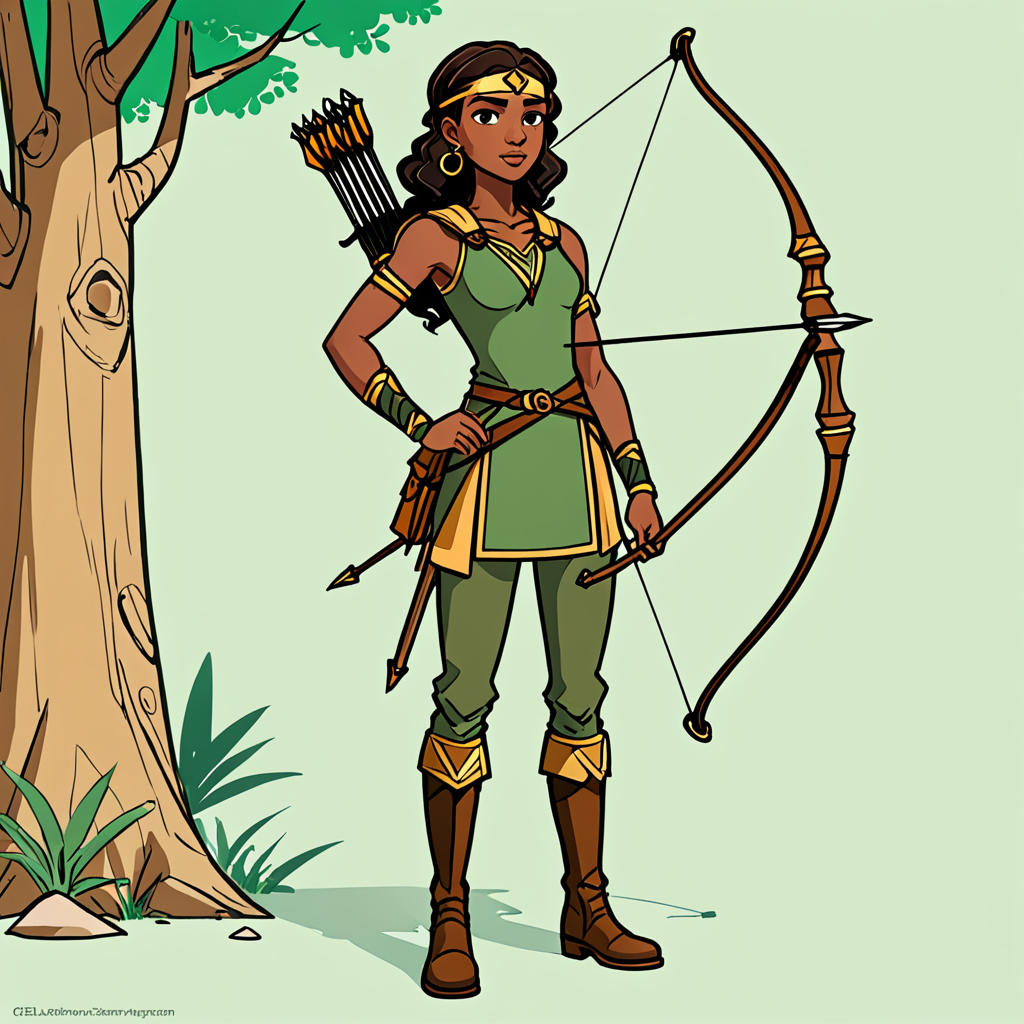
The roster, not a placeholder.
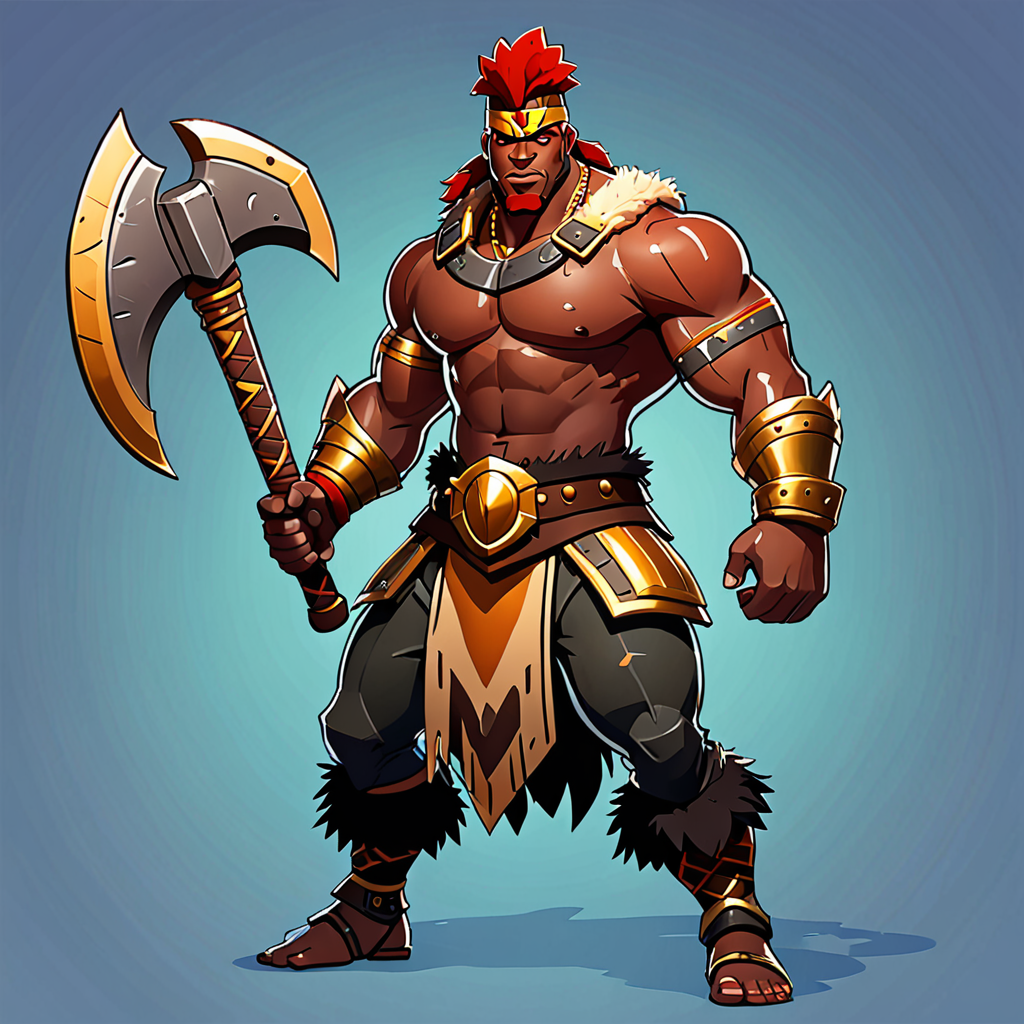
These are the locked silhouettes driving the build: the kind of characters the page should have shown from the start. Each one carries a clear role, a distinct shape, and a readable lane identity for mobile play.
Battle loop
A cleaner strategy pitch.
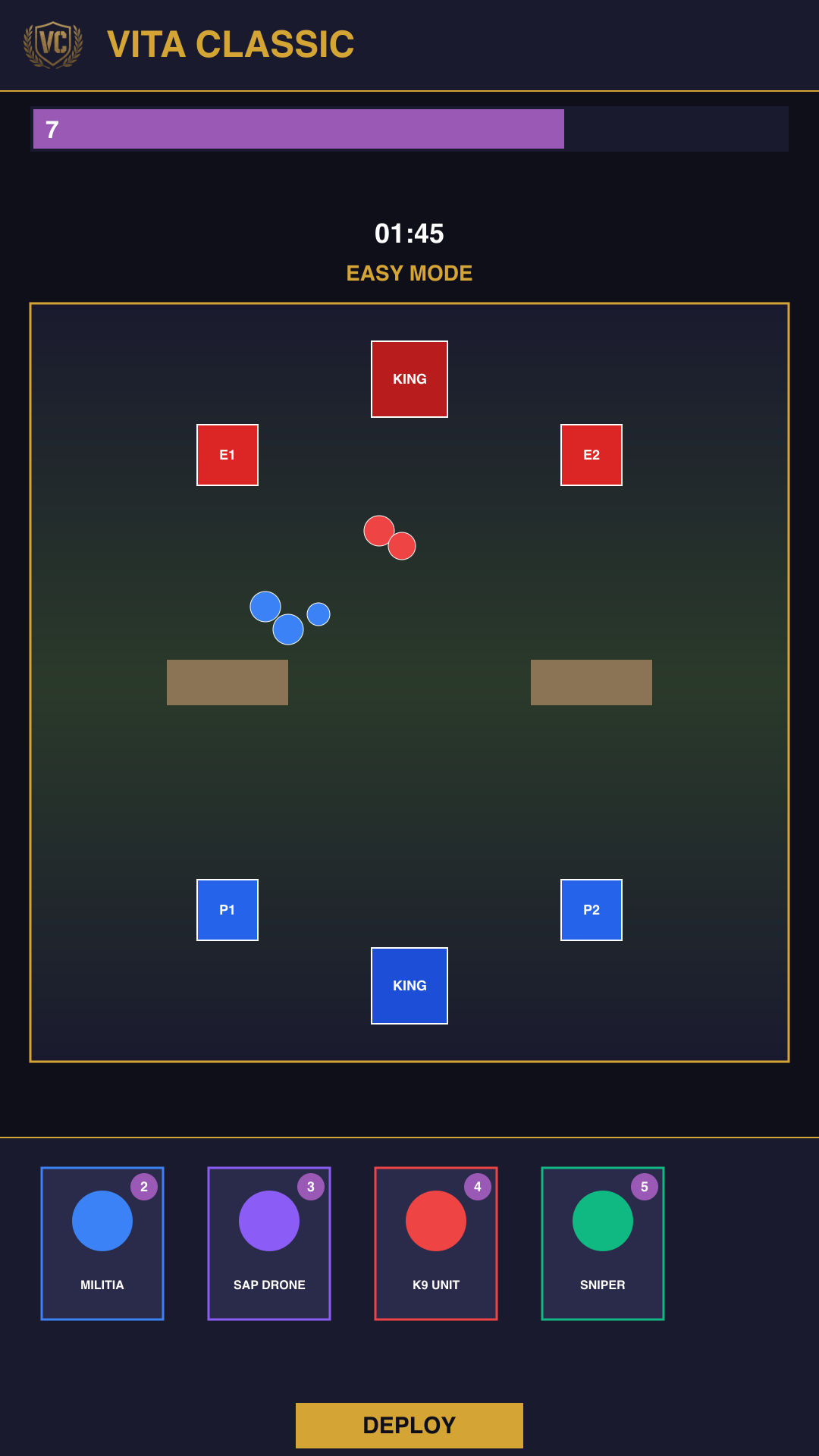
Vita Classic works best when the page sells the actual loop first: deploy at the right moment, trade lane pressure, defend your tower, and push for the break before your opponent stabilizes.
- Fast rounds for repeat attempts instead of long setup-heavy matches.
- Skill-first combat where purchases are aimed at cosmetics, not hidden stat advantages.
- Kenya-color visual identity with a bold, cel-shaded roster and a readable mobile battlefield.
Build tempo through unit timing, counter placement, and tower damage windows instead of menu-heavy prep.
Sessions are shaped for short mobile bursts so testers can run multiple battles and give sharper feedback.
Each unit leans into a cartoon, high-contrast silhouette so the battlefield reads fast on a phone screen.
The live path is the Android build, with the web layer packaged inside a native shell for testing and monetization work.
Economy
Cosmetics before pressure tactics.
The current monetization direction is simple: keep core battles fair, then earn from expressive skins, clearer offers, and later event-style packaging. That is already grounded in the local build through a 32-skin catalog and a five-tier Swahili rarity system.
Offer clarity matters more than feature sprawl here: testers should immediately understand that Vita sells expression and status, not power creep. The current local build already rehearses that path through war-chest rewards, preview claims, and a starter-bundle unlock threshold.
Core units stay playable without purchase friction so the battle loop remains easy to judge and share.
The first paid test is the local reward-linked unit at the Maalum tier, framed as a small expression upgrade instead of a power jump.
Three preview claims on the same ladder bank a starter-bundle unlock locally, so the first offer can follow visible intent instead of guesswork.
Once retention is proven, the same ladder can expand into a cleaner multi-item bundle or event offer without rewriting the product around a backend.
Offer runway
How the first offer is supposed to work.
The page now sells the exact monetization behavior the local build is already rehearsing: win battles, bank war-chest rewards, inspect the reward-backed unit, then decide whether one small cosmetic step feels worth it. June 22 tightened the truth here: a ladder is not packet-ready just because players claimed previews a few times.
- Battle proof comes first: wins bank gold and spotlight the latest reward-backed unit.
- At 300 gold, Arsenal can spend one local cosmetic preview claim on that unit’s ladder.
- Three preview claims on the same ladder bank a starter-bundle unlock marker, but the handoff still waits for owned-return proof.
- Once both signals agree, the build banks a starter-offer packet locally so the first real bundle candidate survives beyond one screen.
Battle rewards fill the war chest first, so cosmetics feel attached to play outcomes instead of a cold shop wall.
Preview claims let testers pressure-test whether a reward-linked unit actually earns repeat cosmetic interest before any real IAP packaging is widened.
Owned starter ladders now need comeback proof too, so the first real offer waits until the reward loop feels sticky instead of merely curious.
Three claims on one ladder prove the unit can carry the first Maalum cosmetic step without touching battle stats.
Repeat owned-ladder revisits are tracked separately so the page does not confuse curiosity with a real return habit.
When the active owned starter becomes return-proofed, the current local build banks a starter-offer packet, adds +1 opening elixir, and starts turning that same ladder into a concrete bundle candidate instead of a temporary verdict.
The newest local proof goes one step further than the old unlock story: packet-ready ladders now persist as starter-offer packets, while battle wins and win streaks keep extending field proof for that same owned starter instead of resetting the case every session.
Proof ladder
The build now proves more than one unlock.
The strongest current change in the local build is not more catalog volume. It is a stricter handoff ladder: pricing intent, owned return, and the final packet-ready state are now separated so the first paid offer only graduates after the same unit earns both spend rehearsal and comeback proof.
- Pricing-ready starts only after three preview claims on one reward-backed ladder.
- Return-ready starts only after players reopen that owned ladder enough times to prove comeback interest.
- Packet-ready only appears when both signals agree, so the first paid bundle story is grounded instead of guessed.
- Starter-offer packet is then banked locally, so the candidate bundle and its latest proof survive as a reusable artifact.
That same return-proofed state now affects battle start with a bonus opening elixir, a discounted first deploy, and banked field-proof wins for the active owned starter, so the cosmetics loop leaves a real gameplay consequence instead of living only in menu copy.
Three local preview claims on one unit show that the player is willing to spend repeat war-chest gold on that cosmetic ladder before any real bundle ask is drafted.
Reopening the owned starter ladder turns one unlock into a repeat-return signal, which is the cleaner test for whether the bundle should become a real retention surface.
Only when pricing intent and owned return line up does the local build bank that unit as the clearest starter-offer packet, with Maalum as the first paid step, Milele as the premium anchor, and live field proof still accumulating behind it.
Tester value
Why join the test now.
Early testers matter most when they are tuning the feel of the battles and the first monetization promises. The current build is already useful for that: the page, war-chest loop, starter-offer rehearsal, and support flow now point at the same story.
- Validate whether the battle hook is clear within a few seconds.
- Pressure-test fairness before paid offers get broader visibility.
- Help identify which reward-backed unit, readiness state, and starter payoff should become the first real starter bundle packet.